Marcus Aurelius wrote the 12 books of the Meditations in Koine Greek[1] as a source for his own guidance and self-improvement

Marcus Aurelius: The Stoic Emperor – Donald J. Robertson
Meditations by Marcus Aurelius | Summary, Audio, Quotes, FAQ
@SoBrief
Meditations receives high praise from most reviewers for its timeless wisdom and practical philosophy. Readers appreciate Marcus Aurelius' reflections on life, death, and human nature, finding them applicable to modern challenges. Many consider it a book to revisit regularly for guidance and perspective. Some note its repetitive nature and occasional difficulty in comprehension. Critics argue it may not resonate with everyone, but most agree on its enduring value as a classic work of Stoic philosophy, offering insights on virtue, duty, and living a meaningful life.
Books by Marcus Aurelius, Emperor of Rome - Project Gutenberg
Meditations by Emperor of Rome Marcus Aurelius | Project Gutenberg
Credits: J. Boulton and David Widger
gutenberg.org/cache/epub/2680/pg2680.txt
The Meditations of the Emperor Marcus Aurelius Antoninus by Marcus Aurelius | Project Gutenberg
Translator: George W. Chrystal
gutenberg.org/cache/epub/55317/pg55317.txt
The Internet Classics Archive | The Meditations by Marcus Aurelius @classics.mit.edu
Translated by George Long
- Style: Victorian, faithful, and precise, but uses archaic English.
- Accuracy: Considered a "standard" translation and highly reliable.
- Gutenberg Contributors: Frequently produced or edited by J. Boulton and David Widger (e.g., eBook #2680).
- Pros/Cons: It is very honest to the original Greek, but can feel stilted for modern readers seeking a smooth read.
- Style: A revision of the 1742 Foulis translation, it is often praised as more "poetic," elegant, and easier to understand.
- Suitability: Often marketed as a balance between classical dignity and modern readability.
- Pros/Cons: It flows well but may be slightly less literal than Long's in certain passages.
- Long vs. Chrystal: Long is better for scholars wanting a literal translation. Chrystal is better for beginners seeking readability.
- Other Gutenberg Versions: Occasionally, Meric Casaubon’s 1634 translation is found, which is very archaic, or works produced by editors like J. Boulton who format and update older texts.
- Comparison: Both are free, but users typically find Chrystal more accessible, while Long is a solid, direct translation.
This video explores Stoic strategies for managing difficult relationships and interactions. Here are the key takeaways and essential quotes:
Core Philosophy on Dealing with People
- Collaboration is natural: Humans are designed to work together, like hands, feet, or rows of teeth. Obstructing one another or harboring hatred is contrary to our nature.
- Anticipate frustration: Start your day by acknowledging that you will likely encounter individuals who are meddling, ungrateful, arrogant, dishonest, jealous, or surly. This is not pessimism; it is preparation to ensure their behavior does not compromise your own character.
- Focus on your response: You cannot control what others do, nor can you change them. You only have control over your own attitude, your opinions, and your actions in response to them.
- Difficult people as opportunities: When someone is annoying or obnoxious, view them as a "strong sparring partner." These interactions are opportunities to practice virtues like patience, kindness, forgiveness, and self-discipline.
Key Quotes
- On expectation: "When you wake in the morning, tell yourself the people I will deal with today will be meddling, ungrateful, arrogant, dishonest, jealous, and surly."
- On truth and ignorance: "Against their will, their souls are cut off from truth." Recognizing that people often act wrongly because they lack understanding helps foster empathy rather than anger.
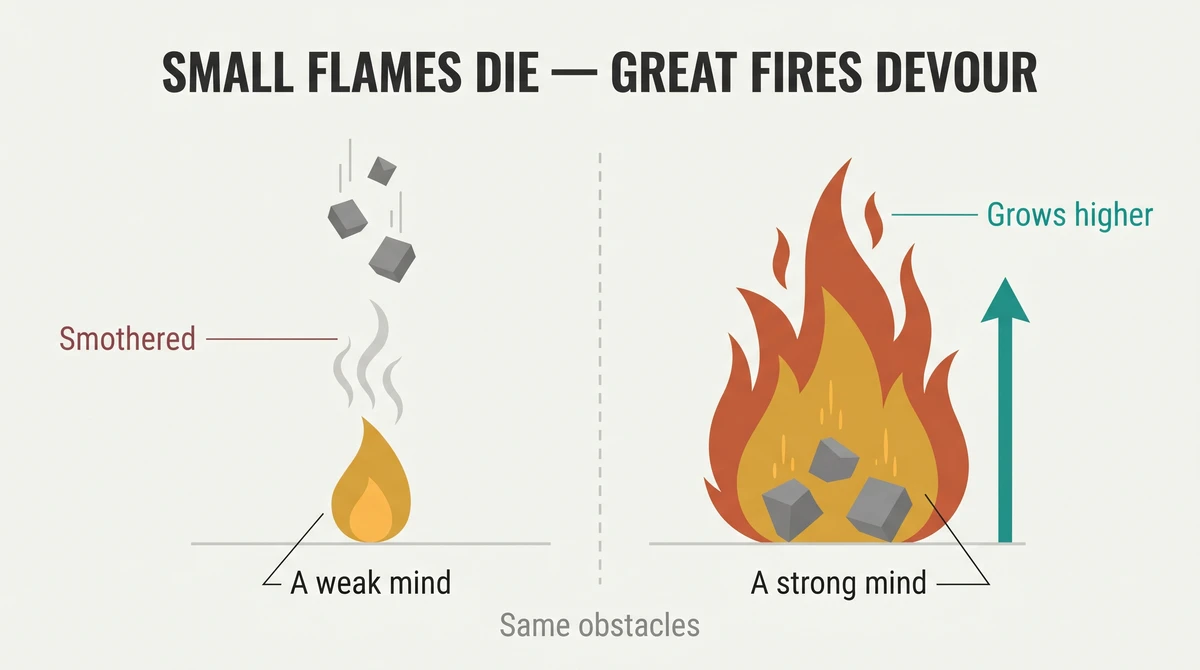
- On the obstacle: "The obstacle is the way." Difficult people are not roadblocks to your success; they are the path through which you refine your character and develop excellence.
- On the nature of conflict: "No one can implicate me in ugliness. Nor can I feel angry at my relative or hate him."
- On kindness: "Goddamn it, you got to be kind." Despite the stern nature of Stoicism, kindness and grace are essential duties because everyone is flawed and broken.
Strategic Takeaways
- Don't become the problem: The ultimate goal is to ensure that you do not let "shitty people" turn you into a "shitty person."
- Statistical acceptance: Recognize that the existence of difficult people is a statistical certainty. Their behavior is simply an expression of who they are, and you are fortunate to remain unswayed by their influence.
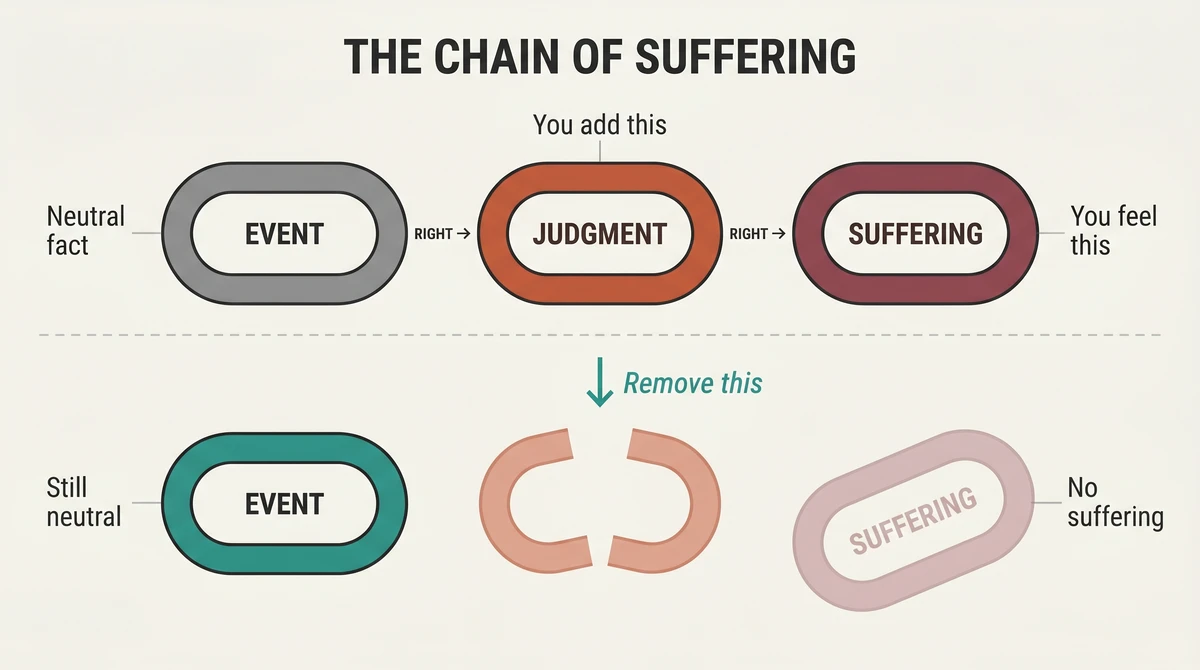
- Remove the ego: When you feel offended, realize you are complicit in that feeling. By deciding not to take offense, you regain your power and preserve your peace of mind.

No comments:
Post a Comment