
Why do good teams kill great ideas?
Loonshots reveals a surprising new way of thinking about the mysteries of group behavior that challenges everything we thought we knew about nurturing radical breakthroughs. Bahcall, a physicist and entrepreneur, shows why teams, companies, or any group with a mission will suddenly change from embracing new ideas to rejecting them, just as flowing water will suddenly change into brittle ice. Mountains of print have been written about culture. Loonshots identifies the small shifts in structure that control this transition, the same way that temperature controls the change from water to ice.
Loonshots: SXSW 2019 - Safi Bahcall
Loonshots in 90 seconds - YouTube
Loonshots: Brink of World War - Safi Bahcall
Book Review of Loonshots by Safi Bahcall | B.D. Lawrence
Book Review: Loonshots by Safi Bahcall | by Anton Brevde | Prime Movers Lab | Medium
"When people organize into a team, a company, or any kind of group with a mission they also create two competing forces — two forms of incentives. We can think of the two competing incentives, loosely, as stake and rank.
When groups are small, for example, everyone’s stake in the outcome of the group project is high. At a small biotech, if the drug works, everyone will be a hero and a millionaire. If it fails, everyone will be looking for a job.
The perks of rank — job titles or the increase in salary from being promoted — are small compared to those high stakes. As teams and companies grow larger, the stakes in outcome decrease while the perks of rank increase. When the two cross, the system snaps. Incentives begin encouraging behavior no one wants. Those same groups — with the same people — begin rejecting loonshots."
Summary of Loonshots by Safi Bahcall (based on
Safi Bahcall’s Loonshots examines how groups foster innovation and why growing organizations often stop taking risks and reject breakthrough ideas ("loonshots").
Key Concepts
- Stake vs. Rank: In small teams, individuals have a high stake in the outcome (success yields huge rewards, failure means finding a new job), while the perks of rank (titles, promotions) are small. As organizations grow, individual stake decreases while the incentives for rank increase. When rank becomes more valuable than stake, risk-averse behavior takes over, and the group begins rejecting loonshots.
- Artists vs. Soldiers: Organizations should separate "artists" (who develop early-stage, high-risk ideas) from "soldiers" (who manage established, successful franchises). Because innovative ideas often look flawed initially, soldiers without vision will kill them prematurely.
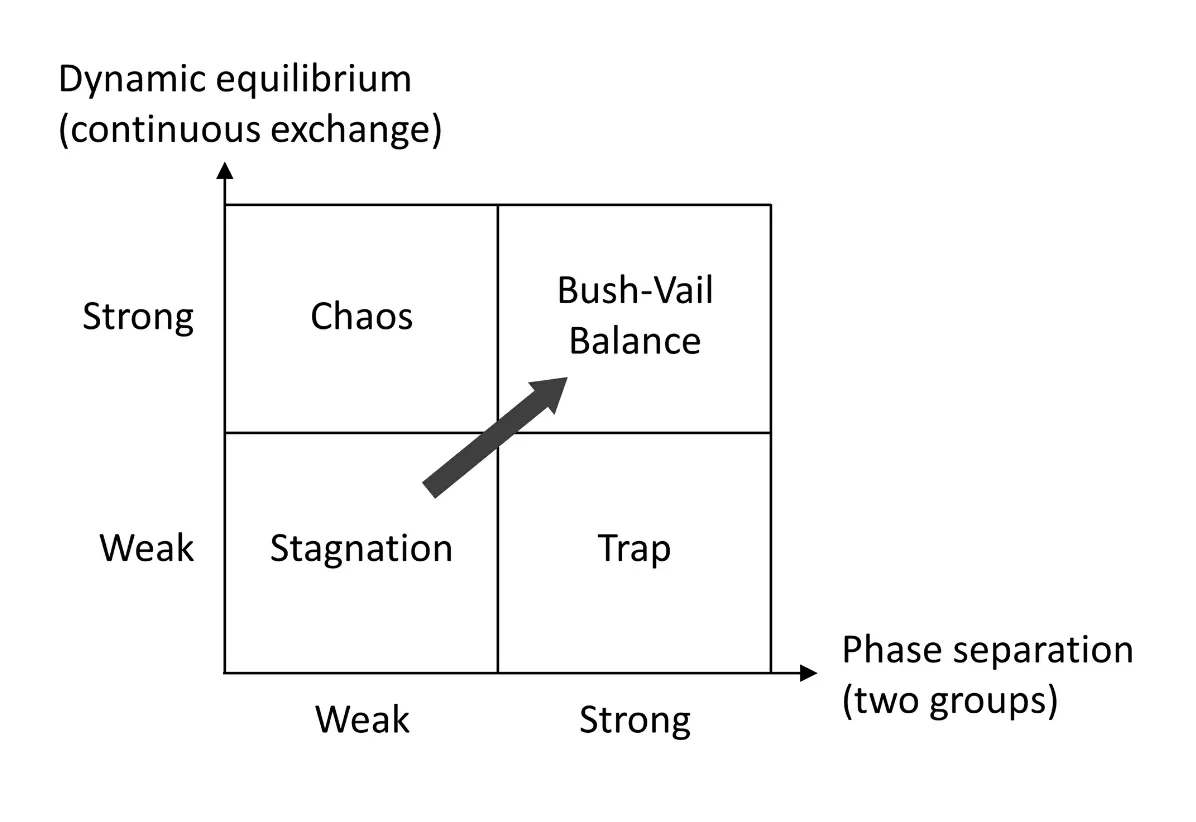
- The Bush-Vail Balance: Separating artists and soldiers is not enough; leadership must facilitate the flow of ideas between both groups. A dedicated leader or champion must maintain mutual respect and bridge the gap between innovation and execution.
- The Magic Number 150: Organizations around 150 people typically hit the tipping point where political incentives outweigh company goals. Companies can raise this threshold by:
- Equity: Granting meaningful equity so employees stay invested in overall company outcome.
- Management Span: Increasing the number of direct reports per manager to flatten hierarchy and reduce promotional politics.
- Return-on-Politics: Reducing the rewards of internal lobbying (e.g., removing direct managers from promotion decisions or introducing fixed-term employment roles).
Steve Pollack Book Review | Loonshots by Safi Bahcall
LOONSHOTS: The Science of Generating Crazy Ideas (Safi Bahcall & Daniel Pink) - YouTube
Loonshots by Safi Bahcall - Book Summary - YouTube
[Review] Loonshots (Safi Bahcall) Summarized - YouTube
Loonshots by Safi Bahcall: 10 Minute Summary - YouTube

No comments:
Post a Comment